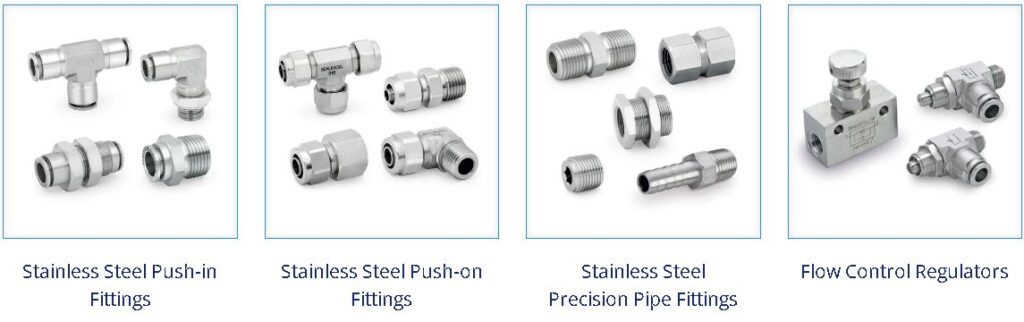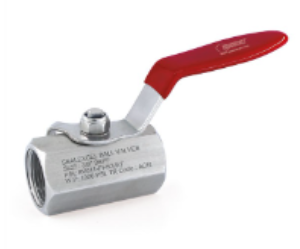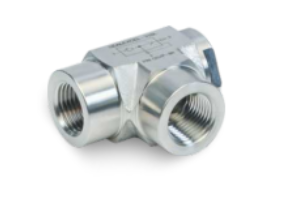


Hoses and their fittings get pushed fairly hard on most machines, and heat makes it a little worse. Buying pneumatic hose and fittings together, with the ratings checked, saves a few headaches later on.
Key Takeaways:
- A fitting with a lower rating than the hose can be the first thing to give.
- Heat softens nylon tubing a little.
- Fittings on a machine frame may need tightening or remaking now and then.
- Matched pneumatic hose and fittings make a line easier to trust.
- A monthly walk along the lines will probably catch leaks early.
Air hoses on a production line do not get much attention, at least until one comes off its fitting and a machine stops. Somebody then has to hunt for the right tube and a spare connector, which can take a while at night. Choosing pneumatic hose and fittings that match the line’s pressure and temperature keeps those stops fairly uncommon.
Hose might come from one supplier and the fittings from whoever had stock that week. Nobody really checks whether the ratings line up, because the parts fit together and look fine. Maintenance teams who order pneumatic hose and fittings at the same time, with the ratings in front of them, usually have fewer surprises later.
Picking Parts for the Pressure a Line Really Sees
- Checking What Heat Does to the Tubing: Plastic tubing loses a little of its pressure rating as it warms up, nylon and polyurethane included. A line running past a dryer or a hot press is where it shows up first. Most datasheets show it as a chart, and somebody should probably check the fittings cover the same temperature range.
- Planning for Pressure Spikes and Vibration: A gauge on the wall might read the same all afternoon, but every time a valve snaps shut a short spike runs back down the hose. Then there is vibration. A push-in fitting bolted near a motor needs a look every few weeks. Seals wear faster in dusty spots too.
Rating the Whole Assembly instead of One Part
- Rating the Assembly by Its Lowest Part: Engineers sometimes look at the hose rating, see a comfortable number and stop there. The push-in fitting on the end might be rated for less, and a hose that can take 10 bar, roughly 145 psi, is then limited by that smaller figure. The fitting may well be what lets go first.
- Preparing the Tube End: Before a tube goes into a push-in fitting, somebody should cut the end square and check the outside diameter matches. A slanted cut can leak a little at full pressure, even after passing a quick bench test. Quick connect couplings wear out too, and an old one might leak whenever someone plugs a tool back in.
Keeping Connections Tight Long after Installation
- Following the Datasheet instead of Habit: Every hose and fitting should come with a working pressure, a temperature range and the tube sizes it suits. Fitters who go by that sheet make fewer mistakes, and compatible pneumatic hose and fittings from a supplier who publishes full data make the job easier. A few checks belong on any regular round.
- Listen around the fittings during a quiet break, since small leaks are hard to hear otherwise.
• Replace any hose that has a kink or a crack in it.
• If a fitting has crept back on its tube, remake the joint.
• Check the hose clears moving parts after maintenance. - Inspecting Lines before They Fail: A small leak wastes air all day, and the compressor runs harder to make up for it. Most maintenance teams find these on a monthly walk, usually with a soapy spray bottle. Swapping a worn fitting at that stage only takes a few minutes, and the line goes back on without much fuss.
Air Lines That Hold Pressure Shift after Shift
A new machine build or a line upgrade is a good time to go through every hose and fitting shown on the drawing. Engineers can send over working pressures, tube sizes and a short note about the conditions around the machine before ordering anything. Contact the sales team today to talk through pneumatic fittings and couplings that suit the line.